Ahead of Ramayana she has kept a low public profile, and reports describe her declining most interviews and endorsements during the shoot. What has been said publicly frames the role as a responsibility to be approached with restraint rather than a career milestone.
Promoting Thandel in early 2025 she discussed learning the Srikakulam coastal dialect, meeting the fishing families the story is based on, and why Sathya's waiting is written as resistance rather than passivity.
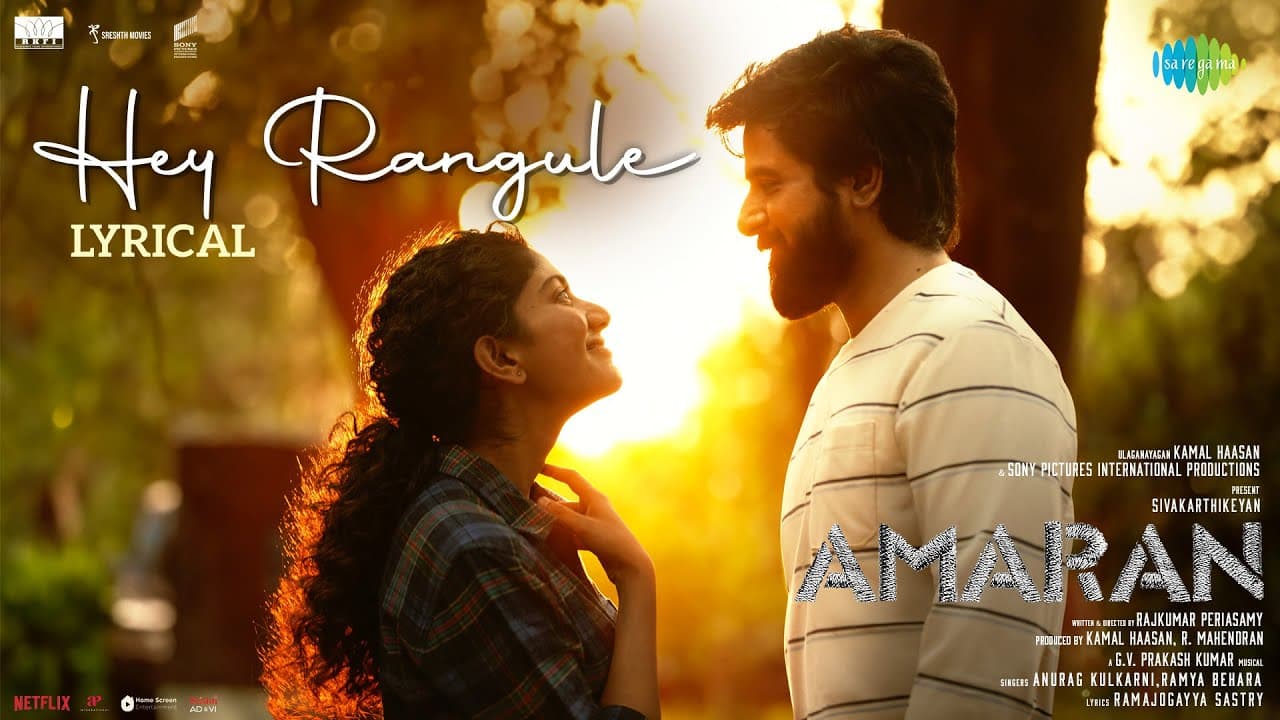
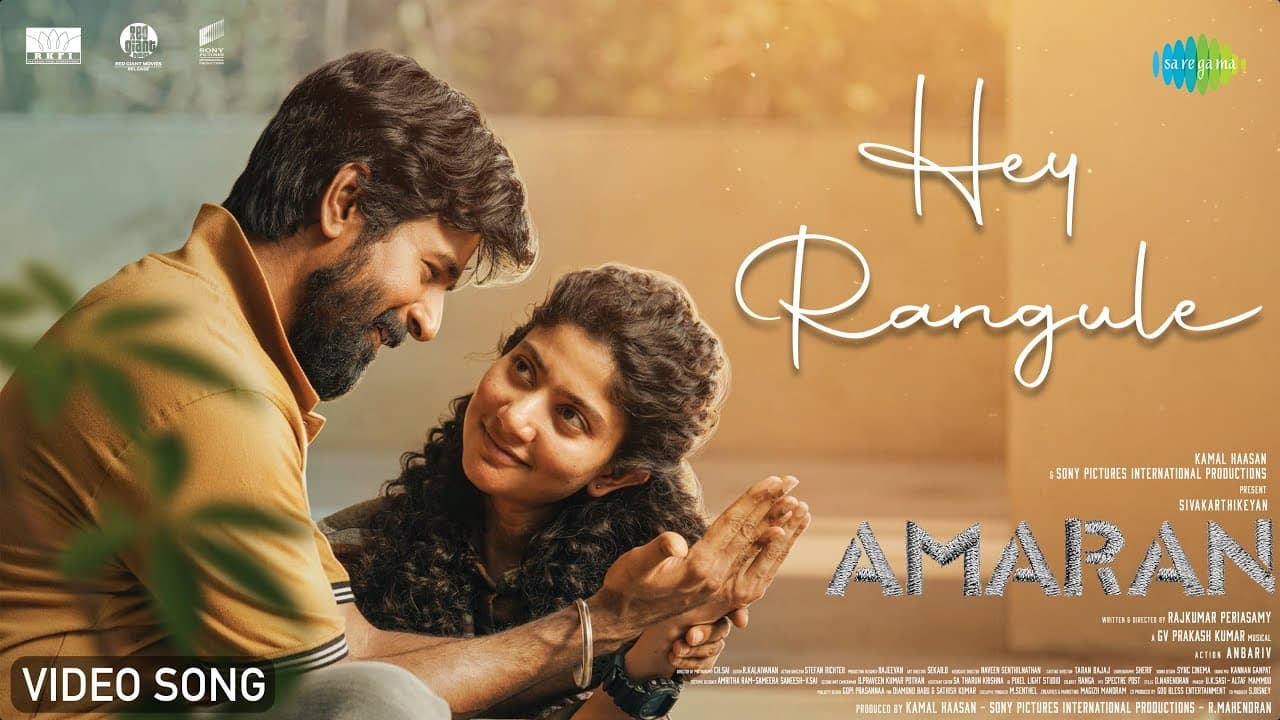
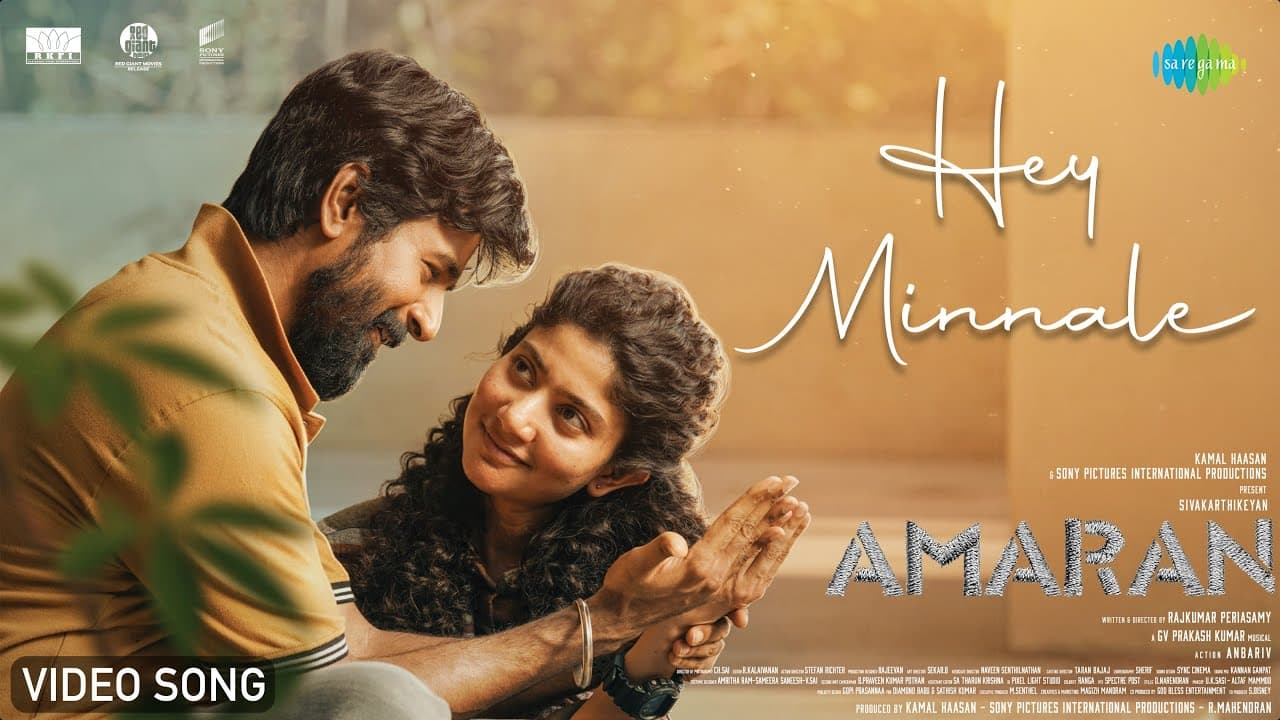
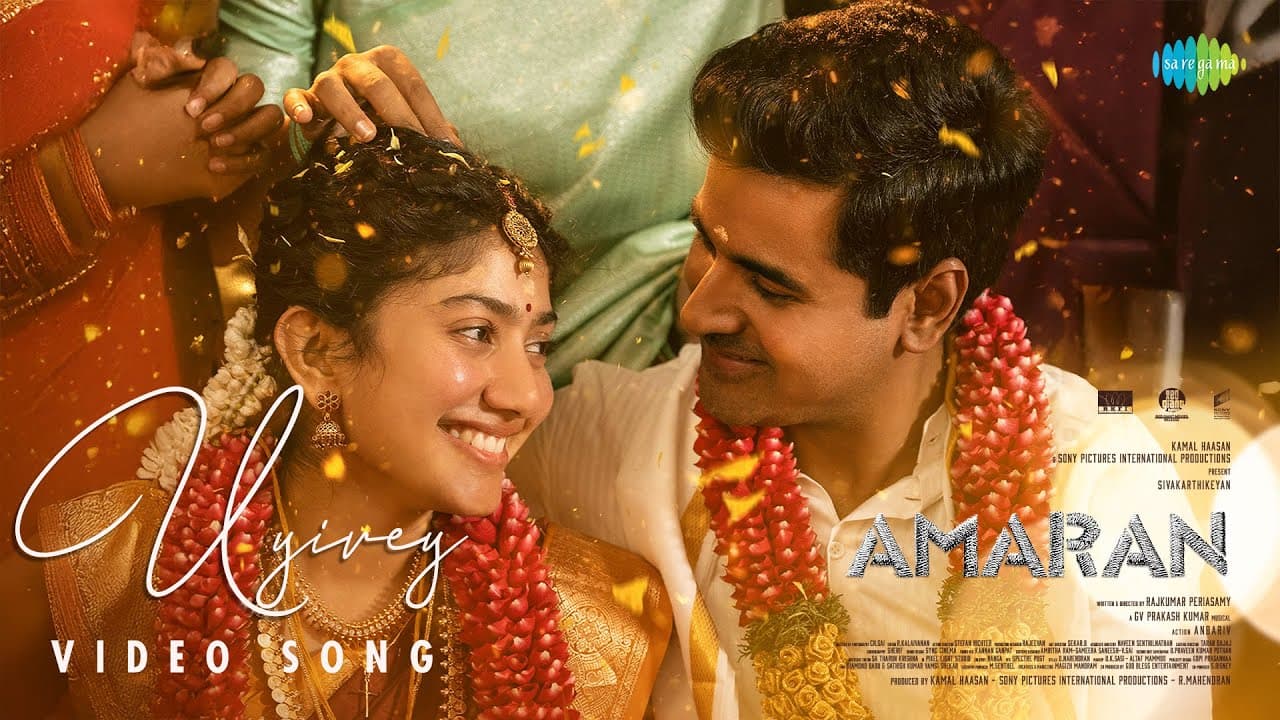
While promoting Amaran she spoke about meeting Major Mukund Varadarajan's family, the responsibility of playing a living person, and why the film centres a wife's grief rather than battlefield heroics.
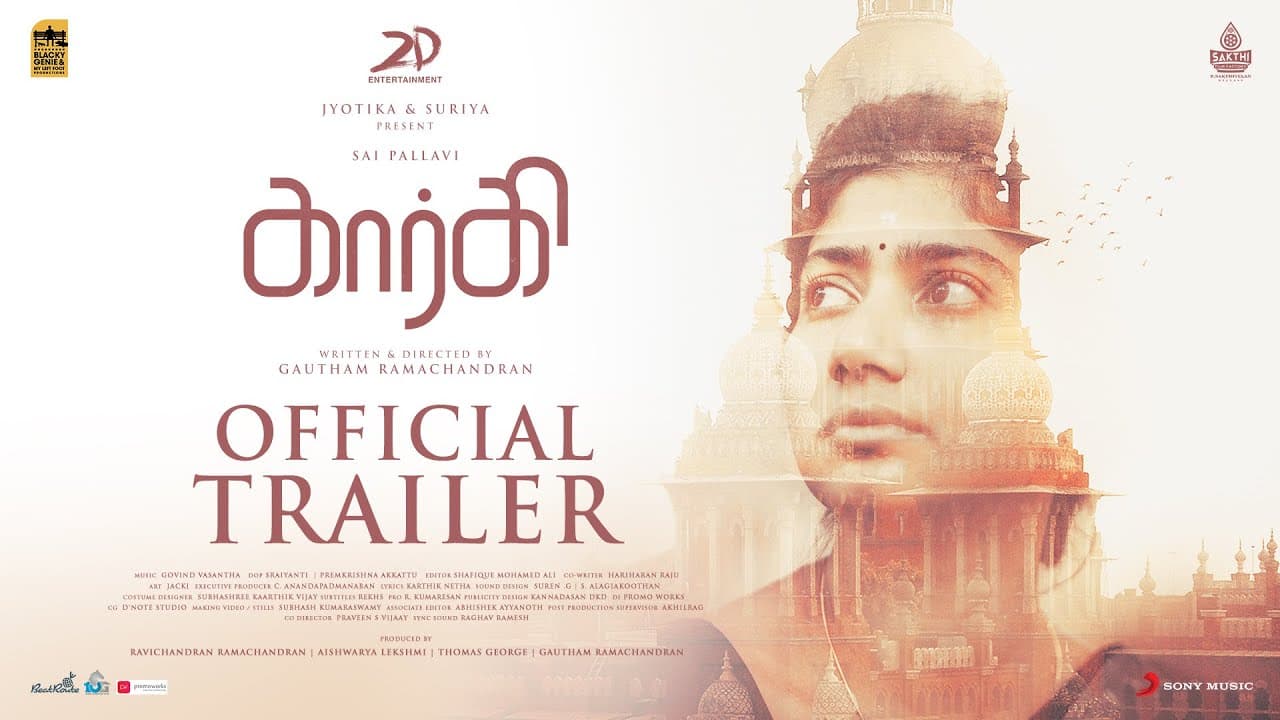
Promoting Gargi in 2022 she spoke about the film's refusal to let the audience off the hook, and about playing a woman who must choose between loyalty and truth. She described the role as one she took because it said something she believed in.
In a June 2022 interview she compared two instances of religiously motivated violence; the comparison drew criticism and a police complaint. She released a video clarification stating that she condemns all violence equally and had not intended to hurt anyone. Included here for completeness; readers should watch the original and the clarification in full.
In 2021 she discussed how Love Story places caste and childhood abuse inside a mainstream romance, and why she felt the film's honesty mattered more than its commercial safety.
She has repeatedly explained that she declines roles written only for glamour or where the character has no reason to exist, and that money has never been the deciding factor. Her filmography is deliberately small for an actor of her popularity.
Across several interviews she has described completing her medical degree in Tbilisi while Premam made her famous, treating both as disciplines that demand attention to people. She later cleared the Indian screening exam for foreign medical graduates.
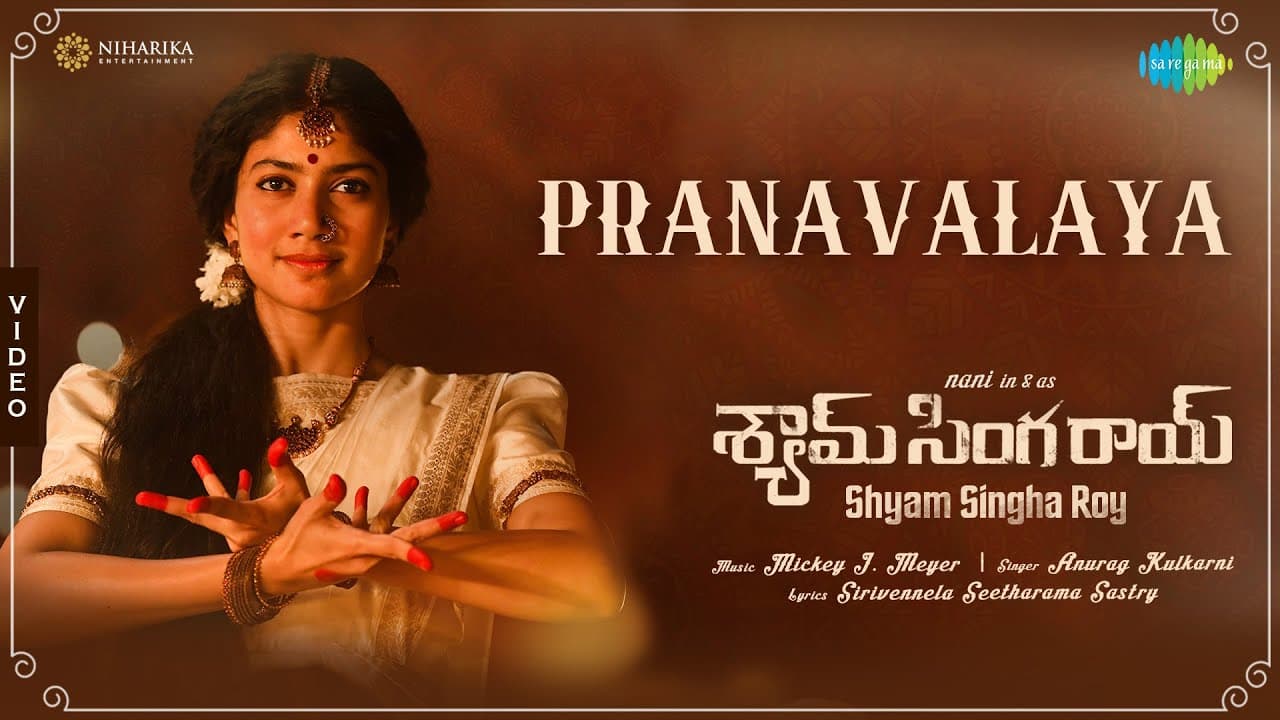
A trained dancer who appeared on television dance shows as a teenager, she has said that dance is where she feels most free. Songs such as Rowdy Baby and Saranga Dariya turned that freedom into some of the most-watched Indian music videos ever made.
She often returns to her upbringing in the Nilgiris and her Badaga community when asked why fame has not changed how she lives, dresses or speaks. Simplicity, in her telling, is not a brand but a habit she does not want to lose.
In 2016 Sai Pallavi declined a reported ₹2 crore offer to endorse a fairness cream, saying she did not want to tell young people that their natural skin needed fixing. The decision was widely covered and became a reference point in debates on colourism in Indian advertising.
After Premam she spoke openly about appearing on screen with acne scars and no makeup, and about not wanting her face to be corrected to fit an industry template. She has framed it as a question of honesty toward audiences rather than a fashion statement.